

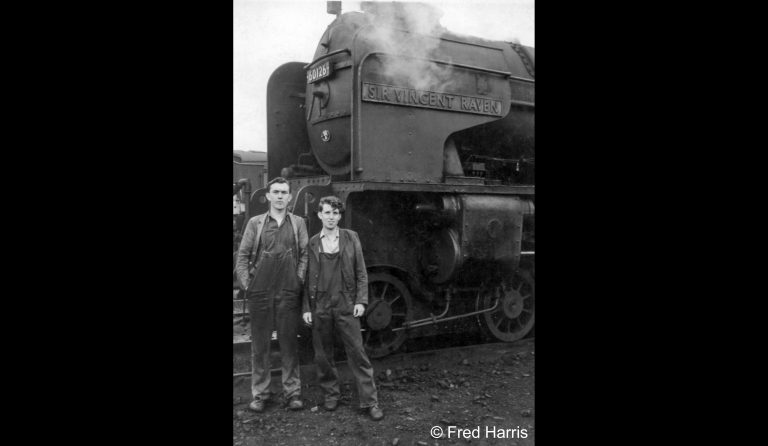
Fred Harris joined the railway at Grantham in August 1955. He achieved promotion to driver nearly 30 years later in April 1985, hence the title of the story of his working life on the railway. Read how a youthful Fred and his driver peered into dense fog one night from the footplate of a slowly advancing 'Tango', looking for signals that were no longer there. How does a footplate crew respond as a 'Green Arrow' begins to self-destruct at speed on the East Coast Main Line? Enjoy with Fred a week away at Bridgnorth refreshing his steam skills. All this and more in our latest new page.
Tag: History
Ironstone Mining Rediscoveries
Keeping an eye on the user statistics for Tracks Through Grantham we're used to seeing an occasional surge in interest when we publish a new page. However, around the middle of July there was a sudden spike in our viewing figures which wasn't set off by new content. It was thanks to a favourable mention on RMweb of our Railways Rediscovered pages (about the former Woolsthorpe Branch) that, for a period of three days we practically trebled our normal readership.* If you'd like to see what the RMweb contributors had to say you can find the start of the thread here.
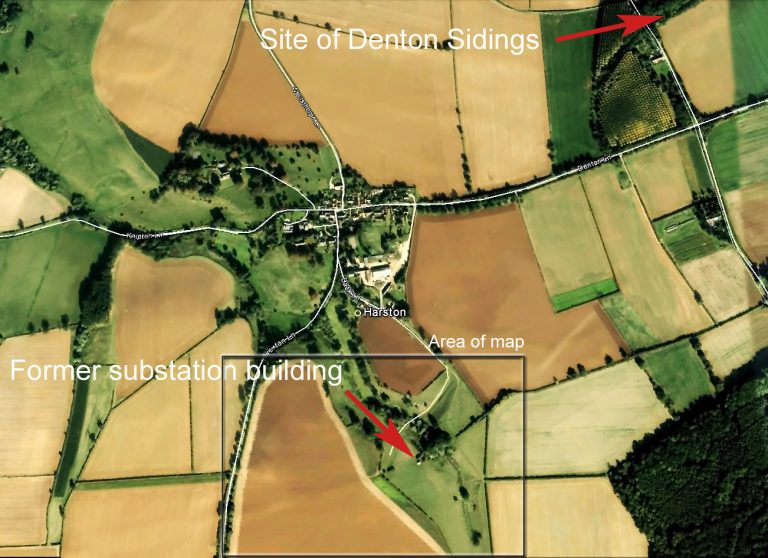
Also recently, Richard Marshall was in touch, leaving a comment on our page The Woolsthorpe Branch Rediscovered – Part 2 and subsequently he sent us some photographs of a building which was connected with the ironstone quarries and remains standing today, near Harston. You can discover the building by scrolling down to near the bottom of this page.
(* We should clarify that the site stats do not tell us who our users are. They give the total number of views of each page per day and some indication of how those users have found Tracks through Grantham.)
Touring Rural Railway Byways
We've said before that often we can't predict where the next idea for a new page on Tracks Through Grantham will appear.
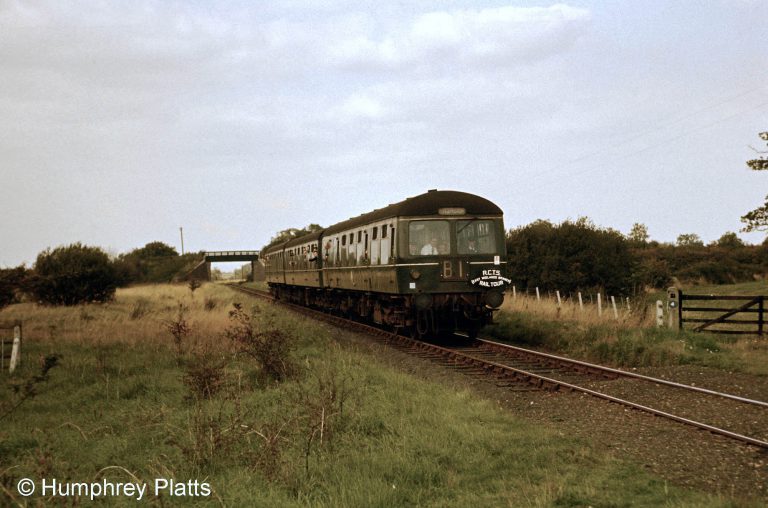
When we showed a page from the Railways Rediscovered section of the Tracks Through Grantham website at our last meeting in Grantham, it led to a short discussion about rail tours which visited the various former ironstone branches, and about which lines had been travelled over on which tours.
In the few weeks since then we've been on the trail of information and photographs, which are assembled in our latest page Rail Tour Rambles round Grantham.
Grantham Railway Timeline
We have just added a "Grantham Railway Timeline" to record interesting and notable events in and around the area. This covers the period from 1850 to the present day. We still have lots of gaps to fill in so if you have anything "interesting and notable" that we could perhaps include within this section and want to share it, then just let us know - use the 'Comment' box below. Here's a link to the page.